D s Benson Once Again the Monoglian

Vitamin D is important for maintaining a salubrious body, primarily considering it helps you fully maximize your body's absorption and utilization of calcium, an of import mineral that we all need. When paired with calcium, vitamin D helps regulate bone remodeling and growth, ensuring healthy, strong bones. Vitamin D tin can besides help protect older adults from osteoporosis, which occurs due to backlog bone loss from aging.
Furthermore, this nutrient boosts your allowed system and reduces inflammation inside your trunk, potentially warding off future medical conditions in the process. It also plays a vital part in cell growth, neuromuscular functions and protein encoding. Studies have shown that a regular, healthy vitamin D intake tin can as well serve equally an antidepressant and brand people feel more often than not happier. But that's non all you'll want to know about vitamin D.
Sources of Vitamin D
Vitamin D is naturally plant in certain foods and now appears in many more than foods that take been fortified with added nutrients. The best sources of naturally occurring vitamin D are oily fish such as salmon, tuna, cod, sardines and mackerel. Fish liver oils are some other good source of vitamin D. Small amounts of the food are present in beef liver, cheese, egg yolks and mushrooms.

Commonly, vitamin D-fortified foods include whole milk, orange juice, margarine and breakfast cereals. Information technology's important to look at the label and diet facts to verify that vitamin D is in a particular food you're considering. Because dairy products are often fortified with vitamin D, lactose intolerant or vegan individuals should keep an centre on their diets to ensure they get plenty of the vitamin.
Sun exposure is another method of naturally obtaining vitamin D, equally our bodies tin create their own vitamin D upon exposure to ultraviolet (UV) rays from the dominicus. All the same, it's difficult to gauge exactly how much sun exposure can generate sufficient vitamin D, as overexposure can be harmful, likewise. UV rays are likewise known to trigger free radicals, which can lead to skin cancer if left unchecked.
Information technology's been suggested that getting approximately 15 minutes of dominicus exposure between 10 a.m. and 3 p.m. at to the lowest degree twice a calendar week to your confront, arms, legs or back will help your torso synthesize plenty vitamin D. Information technology's important to note that you lot can't comprehend the exposed area of your body with sunscreen if you choose to get vitamin D naturally. The SPF blocks UV rays and can hinder your body's ability to create vitamin D. If you're in the shade or behind a window, the rays will non become through. If the climate where y'all live is primarily cloudy, it's important to become your recommended corporeality of vitamin D via other means.
Dietary supplements are too an splendid manner of obtaining vitamin D. Supplements come up in two forms: vitamin D3 (cholecalciferol), which is identical to the form your trunk makes when exposed to sunlight, and vitamin D2 (ergocalciferol), which differs slightly from D3 in its chemical side-chain structure. In that location'south some bear witness that vitamin D3 increases and maintains overall levels slightly better than vitamin D2.
Side Effects of a Vitamin D Deficiency
Vitamin D deficiency occurs when you don't fairly absorb the nutrient or when your kidneys can't convert the nutrient to its agile course. This deficiency tin issue in medical atmospheric condition, two of which are called rickets and osteomalacia.

Rickets, a disease characterized by a failure of bone tissues to go enough minerals, tin can result in aberrant, soft basic and skeletal deformities. It's most mutual in children. Fortunately, it isn't permanent, and kids can swallow every bit few as 1 to 3 teaspoons of cod liver oil a day to reverse the condition.
With the assistance of fortified foods today, rickets is most obsolete in the U.s.. Osteomalacia, characterized by soft and weak bones, is usually present in adults. It'due south commonly treated with an intense regimen of vitamin D replacement under the intendance of a medico.
Vitamin D and Other Health Conditions
Vitamin D deficiency has been linked to cardiovascular disease, and people with lower levels of vitamin D appear to be at an increased risk of having a centre assault or stroke. However, the exact relationship isn't articulate, and there appears to exist no benefit to cardiovascular risk in taking a vitamin D supplement.

Research is also ongoing to detect if there's a link between vitamin D and multiple sclerosis (MS). It appears that vitamin D deficiency is linked to the development of MS, and people with MS and higher levels of vitamin D appear to have reduced disease activity.
Low vitamin D has been linked to an increased hazard of contracting respiratory illnesses such equally flu A. Information technology appears that people with low vitamin D levels are at greater risk of severe novel coronavirus (COVID-19) infection. It's non clear yet if routine vitamin D supplementation would reduce this chance.
Because vitamin D is a fat-soluble substance, it can stay in your body for several days. Thus, vitamin D poisoning is possible if you supplement as well much vitamin D over a period of a few months. Symptoms of vitamin D overdose include dehydration, vomiting, decreased appetite, irritability, constipation and fatigue. If left unaddressed, vitamin D poisoning can lead to anorexia, over-calcification of the bones and internal organs, kidney stones and hypertension (loftier blood pressure). It's important to note that vitamin D poisoning usually only occurs with excessive intake of dietary supplements. It's highly unlikely to occur as a issue of normal dietary intake and dominicus exposure.
Daily Dosage Recommendations
The recommended dietary allowances for vitamin D vary depending on your age and other health and life circumstances, such as pregnancy. For infants under 12 months, the recommended intake is 400 international units (IU) or 10 micrograms (mcg). For individuals nether 70 years old, the recommended intake is 600IU (15mcg). For individuals over 70 years old, the intake increases to 800IU (20mcg).
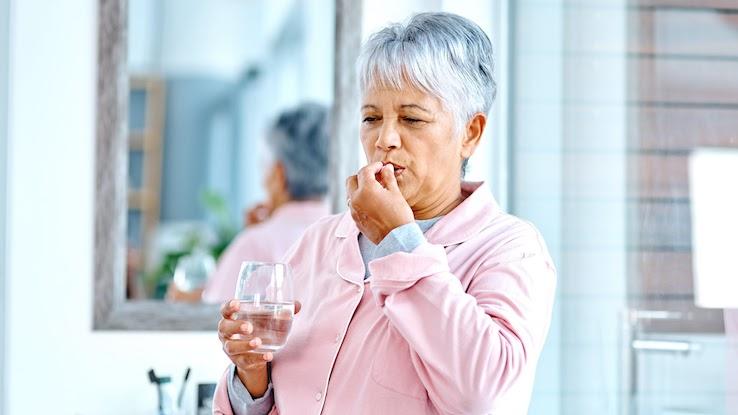
If yous take a pre-existing medical condition or other medical concerns, information technology's best to talk to a healthcare professional about determining your recommended dietary allowance for vitamin D. This way, yous can be certain the vitamin doesn't interact negatively with your condition or medication.
Resource Links:
https://medlineplus.gov/vitamind.html
https://ods.od.nih.gov/factsheets/VitaminD-Consumer/
https://www.hsph.harvard.edu/nutritionsource/vitamin-d/
https://medlineplus.gov/druginfo/meds/a620058.html
https://bestpractice.bmj.com/patient-leaflets/en-gb/pdf/3000049/Vitamin%20D%20deficiency.pdf
https://bestpractice.bmj.com/topics/en-gb/641
https://assets.publishing.service.gov.united kingdom of great britain and northern ireland/government/uploads/organization/uploads/attachment_data/file/537616/SACN_Vitamin_D_and_Health_report.pdf
https://www.covid19treatmentguidelines.nih.gov/adjunctive-therapy/vitamin-d/
Source: https://www.symptomfind.com/nutrition-supplements/vitamin-d-facts?utm_content=params%3Ao%3D740013%26ad%3DdirN%26qo%3DserpIndex
0 Response to "D s Benson Once Again the Monoglian"
Post a Comment